Free · Citizen science · India

Every wingcarries arecord.

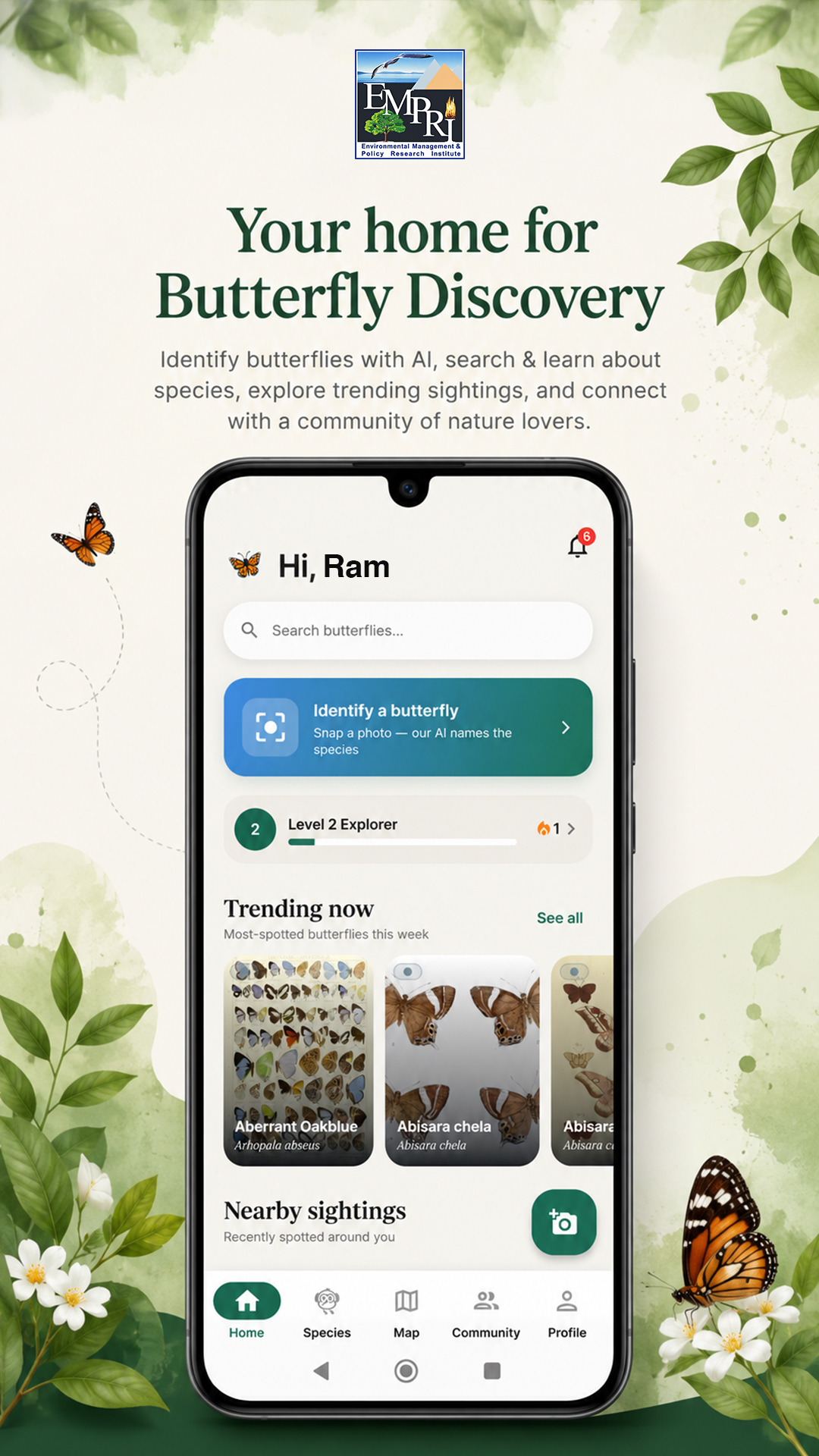
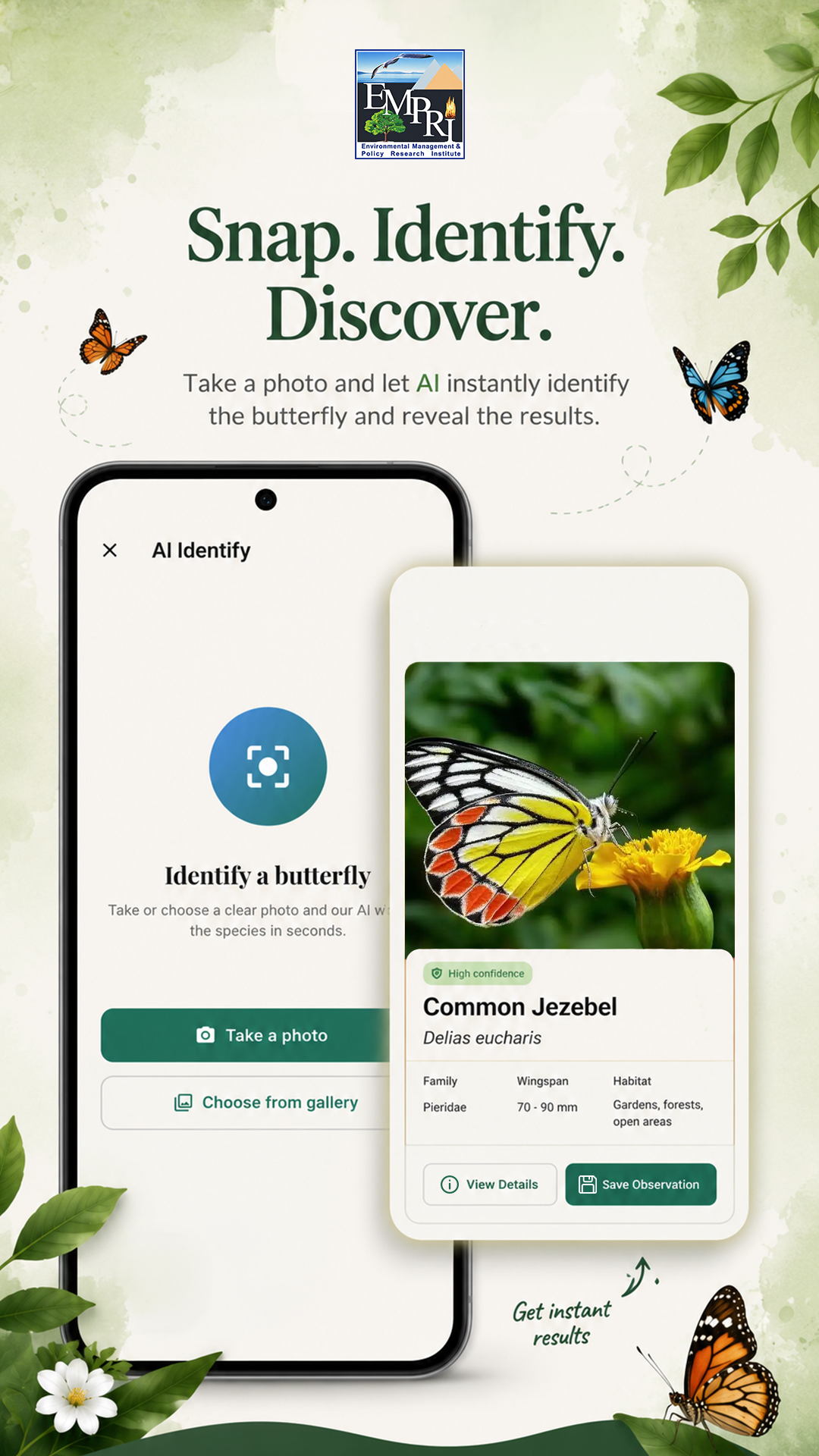
Pathanga turns your phone into a field lab. Photograph a butterfly, get an AI identification in seconds, and log a sighting that becomes real biodiversity data — reviewed by experts, mapped across all 28 states.

Get it onGoogle PlayComing toApp Store Soon

Android 8.0+ · 1,500+ species offline · No ads, no paywall

9:41◍ ▮▮▮
◈ Identified · 1.4s
Great Orange Tip
Hebomoia glaucippe
Confidence 94%Certain
SaveLog sightingGuide
1,500+
Indian species
28
States mapped
<60s
AI identification
100%
Works offline
Plate I

What's inside
the app

Five capabilities · plus
№ 01 — Identification

Point, shoot, know

Gemini Vision reads the photo through a lepidopterist's prompt and returns ranked matches resolved against the species catalogue — not a guess, a shortlist with a confidence score you can argue with.

  • Up to 5 photos
  • Confidence-scored
  • 60s timeout
  • Ranked matches
№ 02 — Field guide

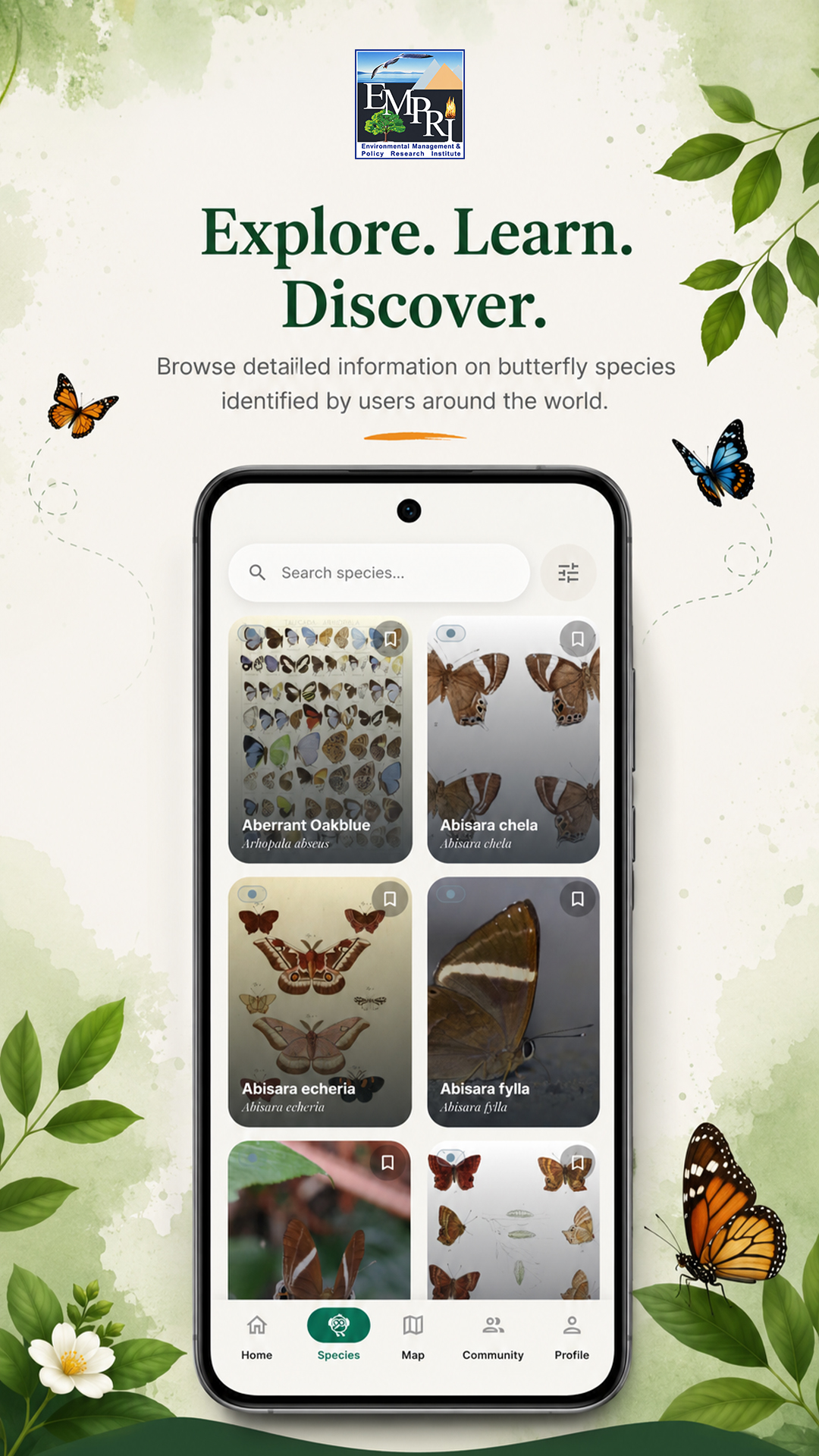
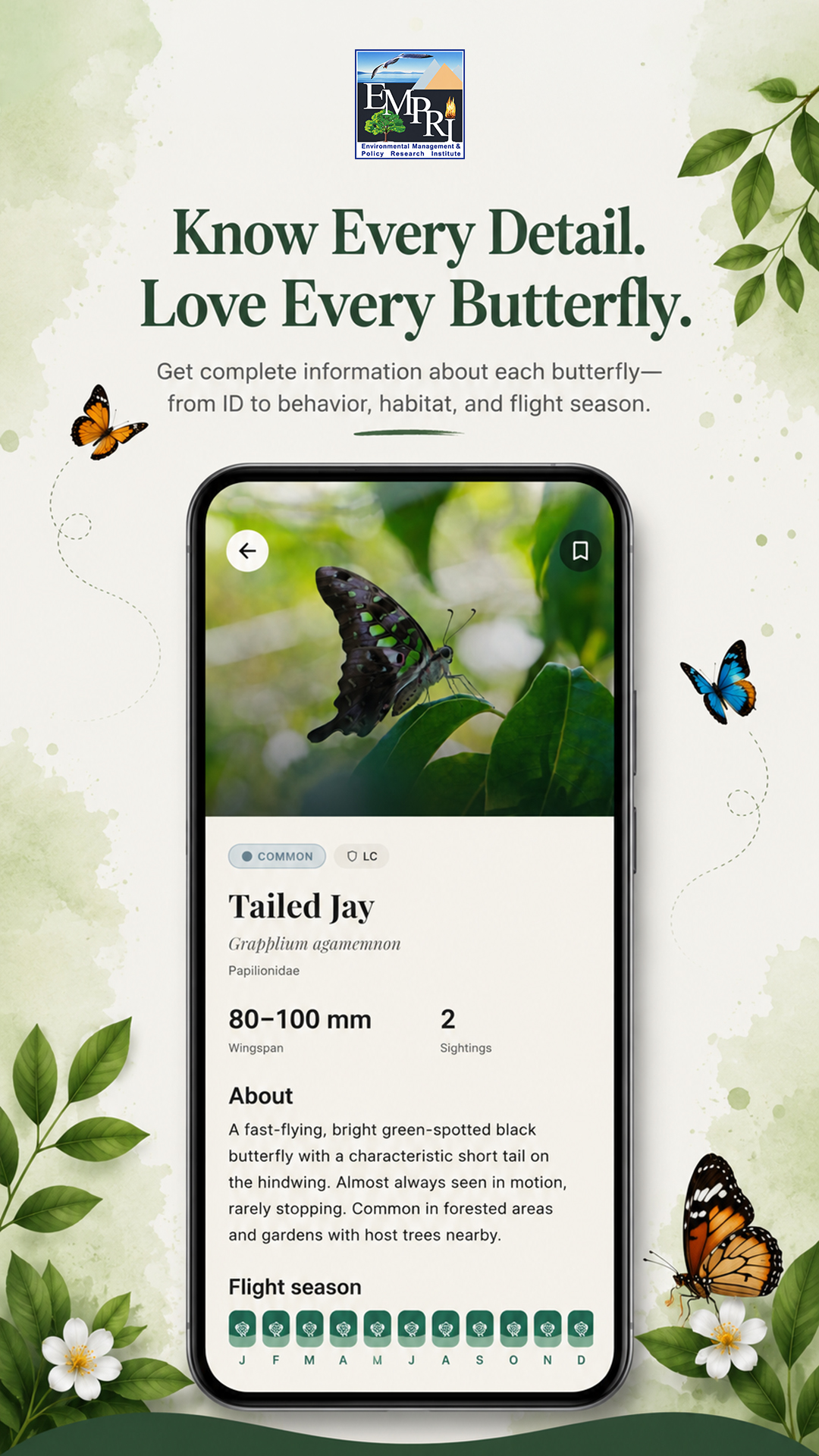
A guide that fits in a pocket

Every species carries family and genus, habitat notes, wingspan range, the months it flies, its IUCN status and reference plates for egg, caterpillar, pupa, male and female.

  • Taxonomy
  • Seasonality
  • Life stages
  • Colour search
№ 03 — Logging

A sighting in under a minute

Camera or gallery, GPS stamped automatically, place name resolved, notes if you want them. Choose public or private per sighting.

  • Auto GPS
  • Privacy control
№ 04 — Offline

The forest has no signal

Sightings queue on-device and upload themselves when the bars come back — five automatic retries, photos and all. The guide stays cached for reading.

  • Local database
  • Auto-sync
№ 05 — Maps

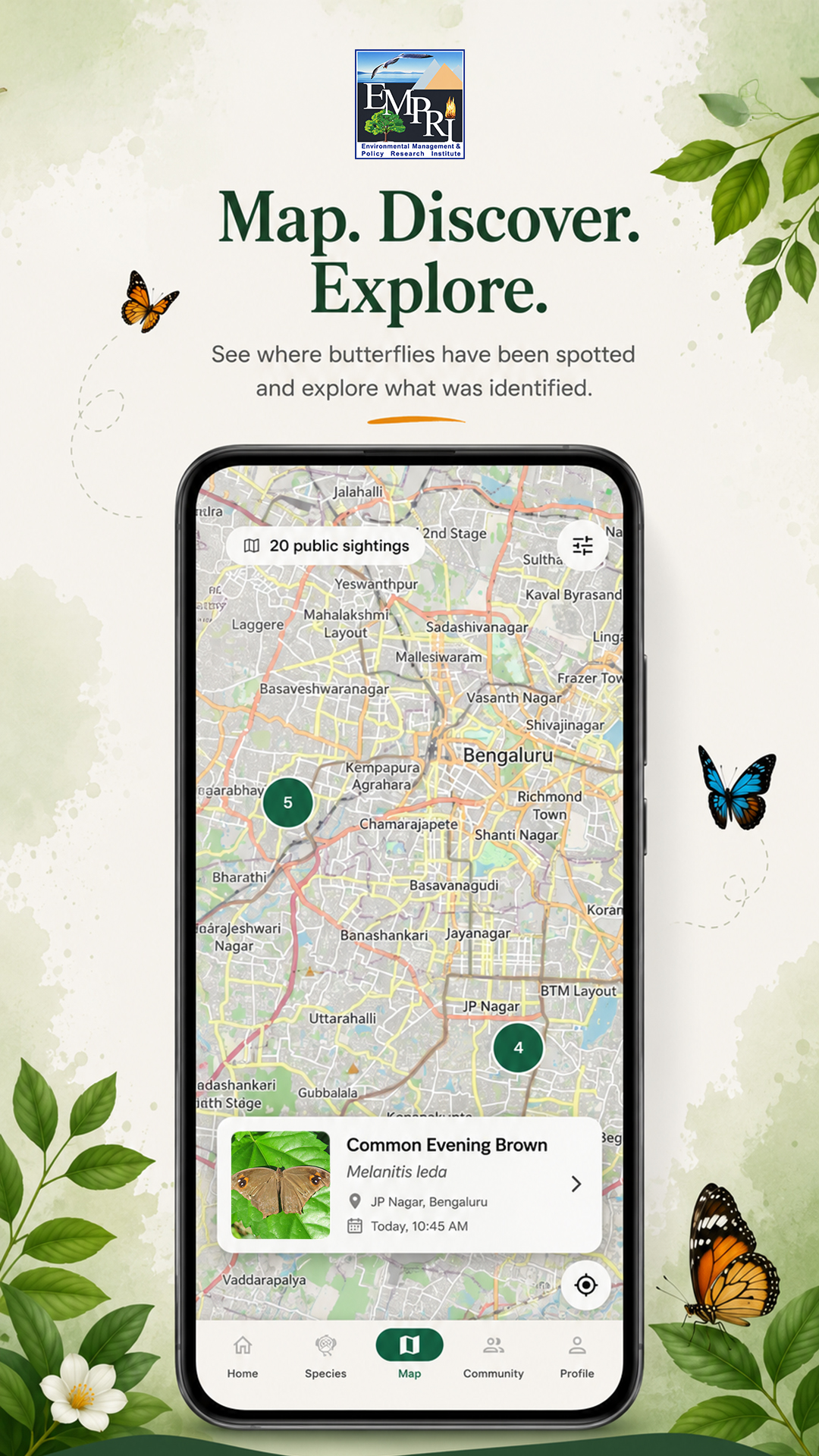
See what flies near you

Density maps by state and district, plus everything recorded within 50 km of where you're standing — including the hotspot belts of the Western Ghats, the Northeast and the Himalaya.

  • Heatmaps
  • 50 km radius

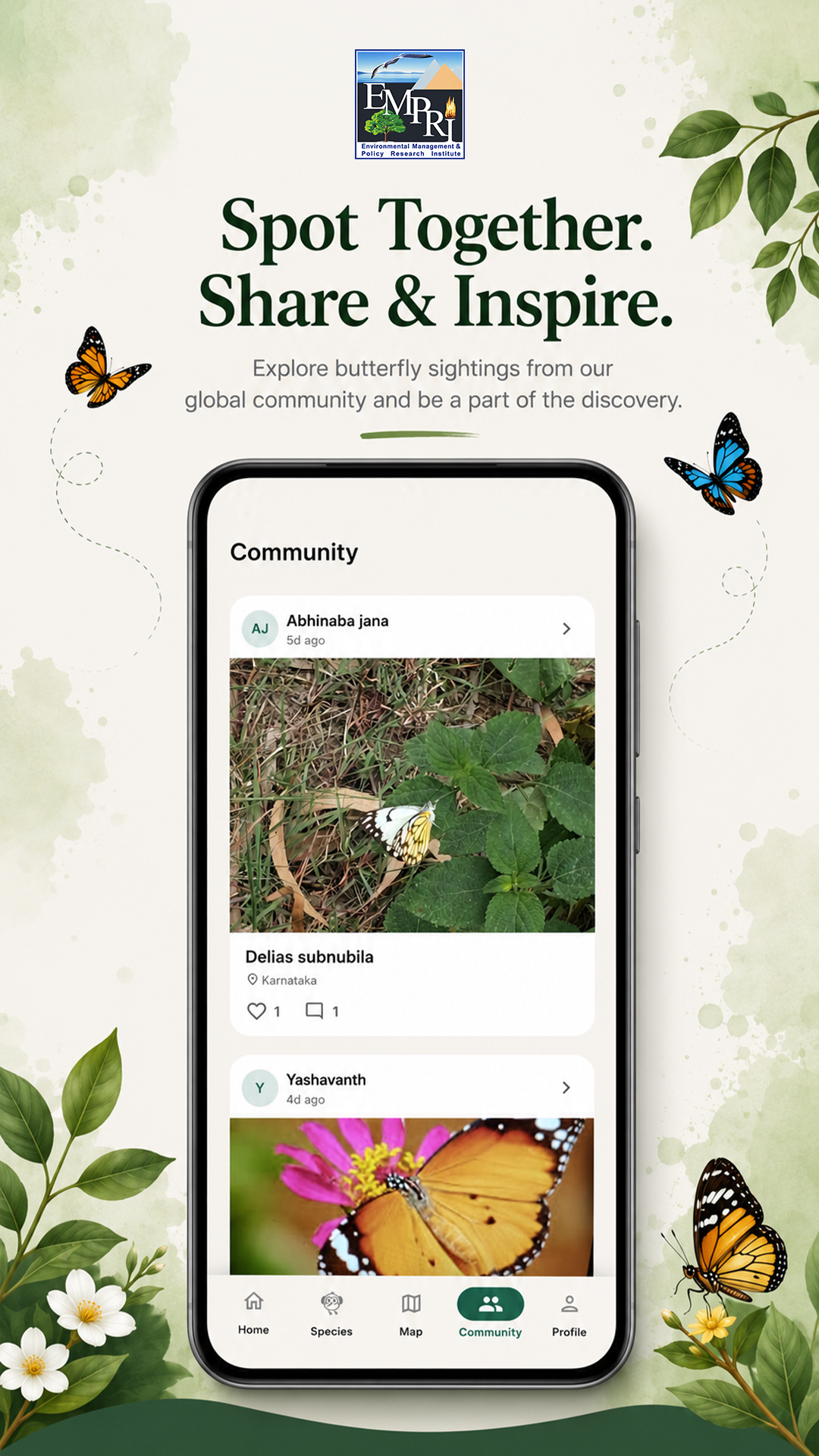
Community feed

Follow what other naturalists are finding today, with likes, comments and public explorer profiles.

Notifications, your rules

Per-category switches — identification finished, sighting verified, something rare spotted nearby.

Light & dark

A dark theme built for dawn walks and a light one for glare, with haptics and large-text support.

Your archive

Every sighting you've made, searchable, with saved species and a lifetime tally of states explored.
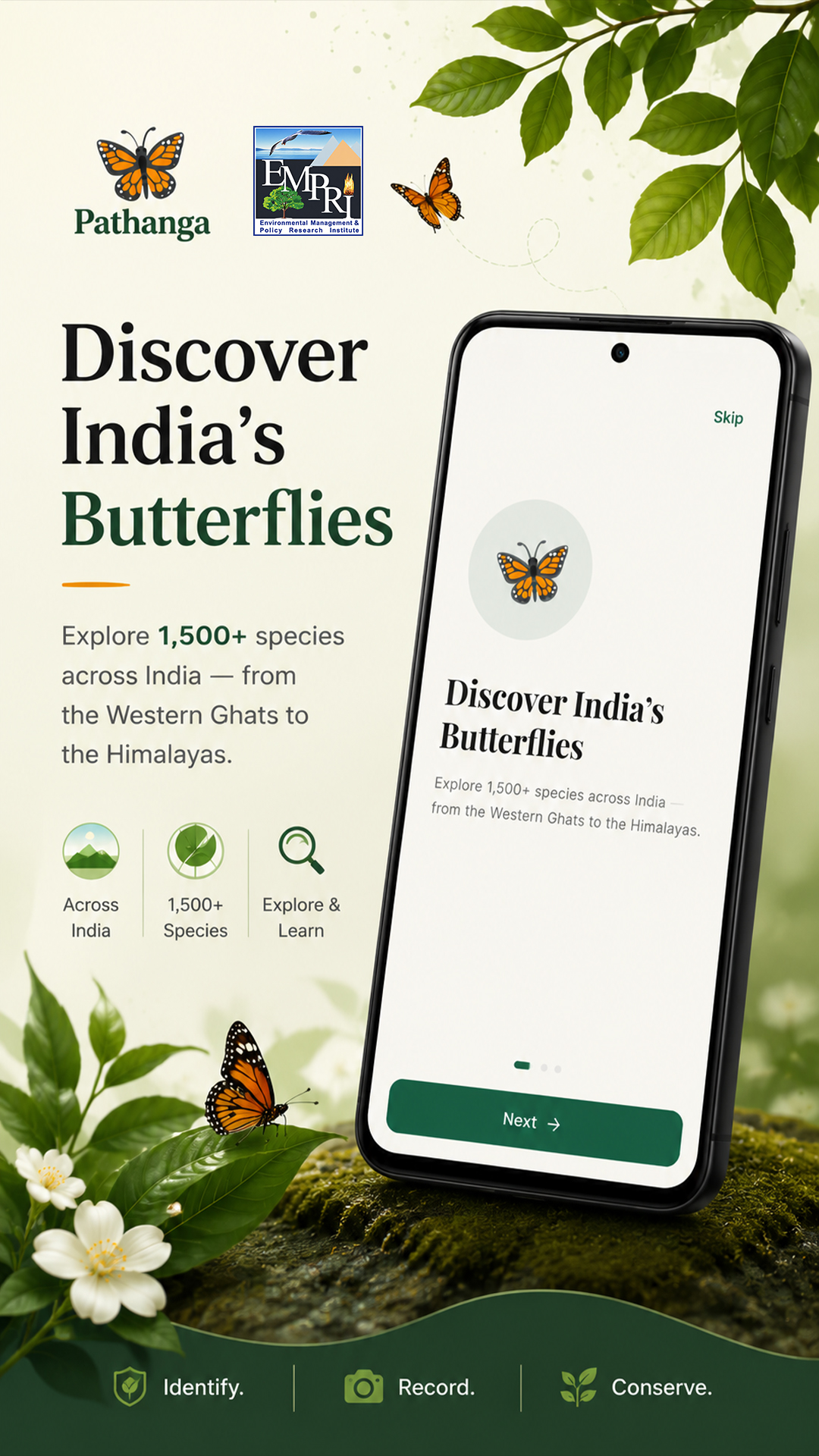
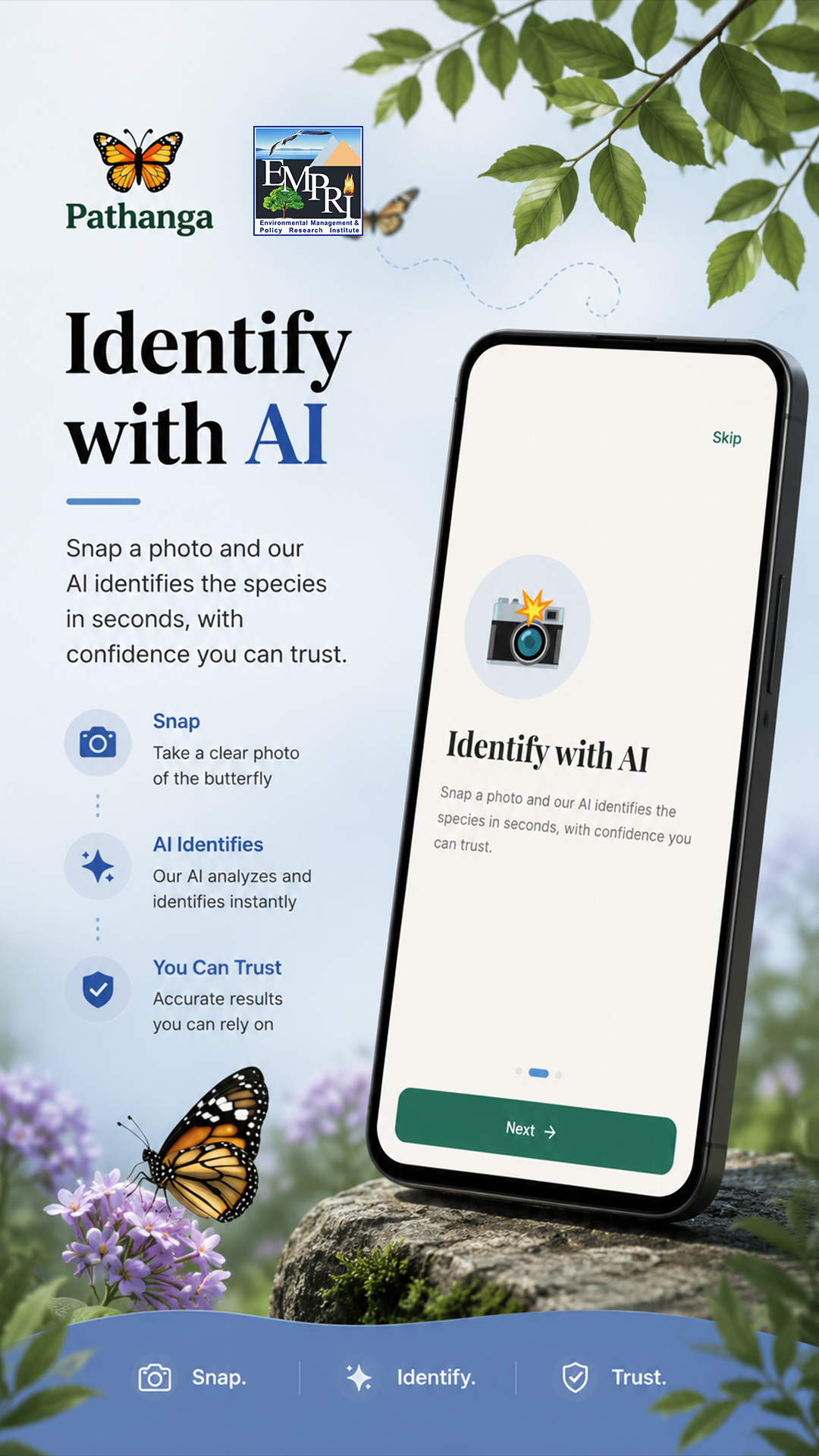
Plate II

From a glimpse
to a data point

Four movements
01
In the field

Catch it on camera

Up to five frames — upperside, underside, whatever it gives you before it moves on.

02
Seconds later

The AI reads the wings

Photos go to the vision model, which returns ranked candidates matched to catalogued species.

03
Same day

You confirm and log

Accept a match or pick your own from the guide, then file the sighting with its coordinates.

04
Afterwards

An expert verifies it

Moderators and verified researchers review the record before it joins the public map.

Plate III

An AI that admits
when it isn't sure

Interactive

Most identification apps hand you a name and let you assume it's right. Pathanga hands you a number. Every match arrives with a confidence score, sorted into four honest bands — and anything under 30% is never shown at all.

Drag the marker to see how the app grades its own answer. The thresholds below are the real ones the app ships with.

94%
CertainFile it and move on
050 · possible70 · likely90 · certain

Above 90% the model has locked onto diagnostic wing markings. The species is filled in for you; you just confirm.

Plate IV

Fieldwork, kept
like a scorecard

Explorer profile
14 day streak

Log one sighting a day to keep it alive. Miss the deadline by a few hours and a six-hour grace period covers you — because sometimes the light goes before the butterfly does.

CommonUncommonRareVery rareEndangered

Rarity tiers · earned per species, not per photo

Log a sightingAny species, anywhere+10 XP
Confirm an identificationYou closed the loop+25 XP
Record a rare speciesRare tier and above+50 XP
First in your districtNobody had logged it here+100 XP
Plate V

Your weekend walk,
somebody's dataset

Verification

Butterflies are the fastest indicator we have of a habitat turning. They respond to a changed monsoon, a cleared hedgerow or a warmer winter within a season. What they lack is observers — and that is the part a phone can fix.

Stage one

Submitted

Your sighting lands with photographs, coordinates, a timestamp and the AI's suggestion attached.

Stage two

Reviewed

A moderator or a verified researcher confirms the species, corrects it, or asks for a better frame.

Stage three

Published

Verified records join the public distribution maps and the state-level counts that researchers draw on.

Plate VI

The app in action

Eight specimen views
№ 01
Pathanga App Screenshot 1
Splash Screen
№ 02
Pathanga App Screenshot 2
AI Scanner
№ 03
Pathanga App Screenshot 3
Observations Log
№ 04
Pathanga App Screenshot 4
Detail View
№ 05
Pathanga App Screenshot 5
Community Feed
№ 06
Pathanga App Screenshot 6
Naturalist Profile
№ 07
Pathanga App Screenshot 7
Rarity Badges
№ 08
Pathanga App Screenshot 8
Species Guide
Free · No advertising · No paywall

Start your
field notebook

Install Pathanga, walk outside, and photograph the first butterfly you see. That single record is more than most habitats in India have from this year.

Get it onGoogle PlayComing toApp Store Soon